
Rethinking Masculinity at 200 MPH
How Formula 1 reveals a new, nuanced masculinity that’s reshaping culture and marketing

Hi everyone, it’s been a while!
Lately, I’ve been struggling to balance all those famous spinning plates, and this was one of the first to crash to the ground. But I’m happy and excited to be back.
The last few months have brought some very big, life-changing moments for me — moments I’m still recovering from. One of the most significant was my first-ever trip to the Cannes Lions Festival of Advertising.
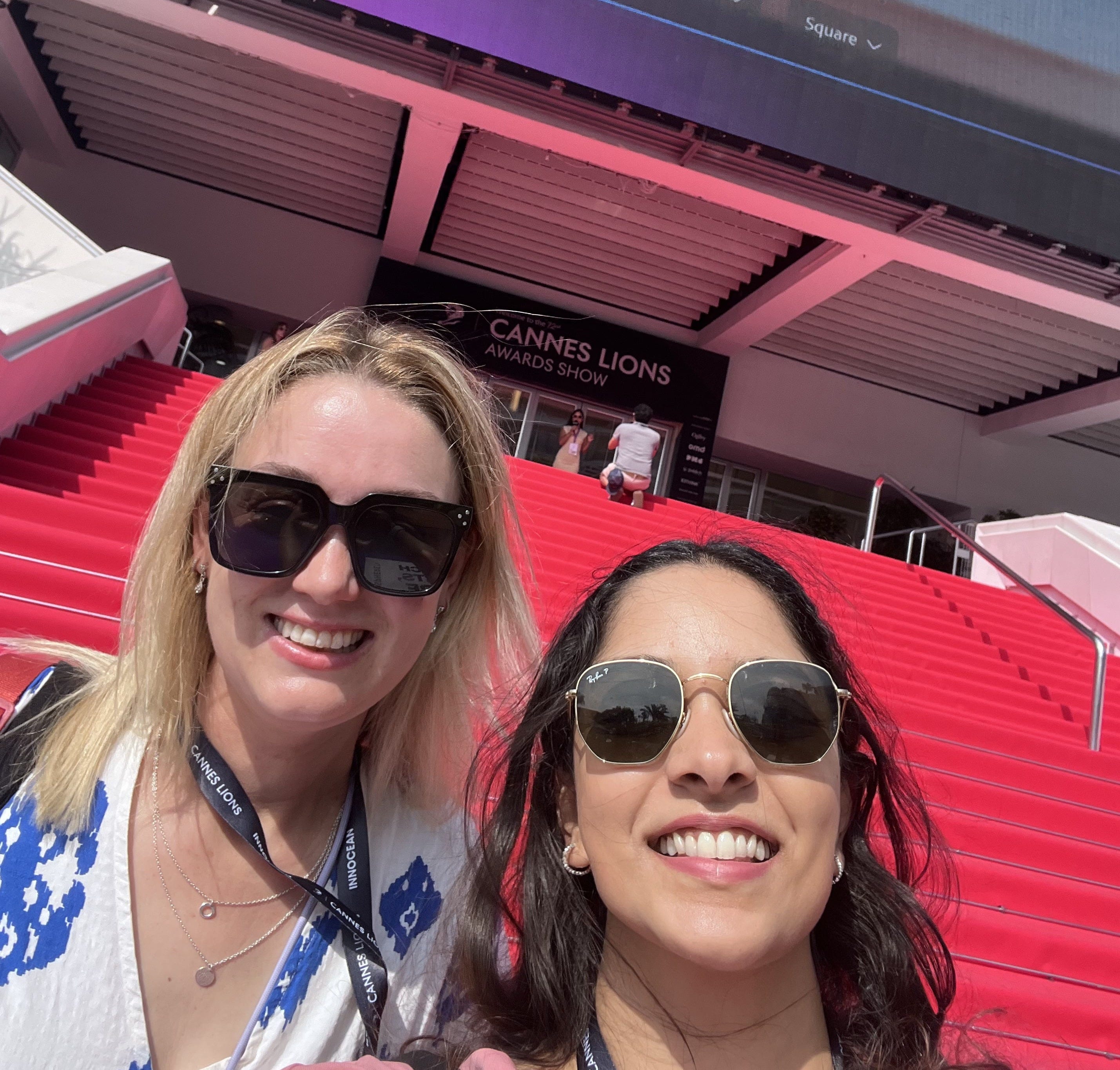
There I was, standing under the golden Cannes sun, drink in one hand, a big hand-held fan doing its best to fight off the sweat, the beautiful sea shimmering just beyond — and everyone around me acting as if they’d made it to the very pinnacle of advertising glamour. The Emmys and Oscars of our world.
From one end of the Croisette to the Palais — a good 3 kilometres, back and forth — I soaked up the whirlwind of creativity, innovation, and culture. Over 25,000 steps a day and still somehow not enough to take it all in.
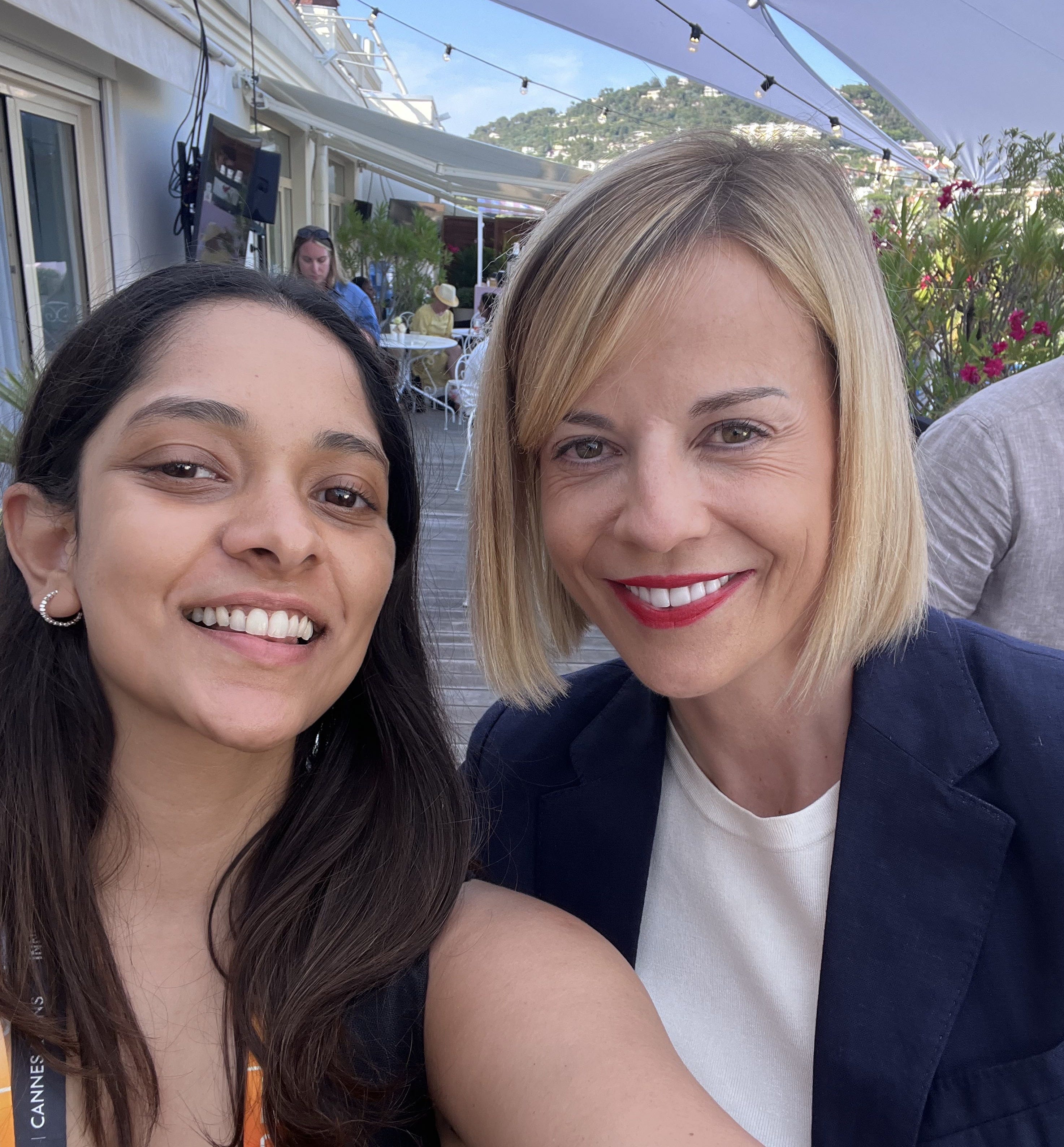
The focus for this year’s Cannes was undoubtedly AI and the search for the human touch for brands to truly stand out, along with creators and athletes taking the centre stage. Stagwell’s Sport Beach and FQ made it possible for me to encounter the world of Formula 1 stars like Zak Brown, Suzie Wolff, and Oscar Piastri, right there amidst the festival’s pulse.
Another theme that was brought up — not surprising — was Masculinity. Everyone is talking about it, including Scott Galloway —Im a fan of Scott but looks like there’s a massive dislike to what he’s saying, especially amongst the reddit community.
There was one panel at the WACL Empower Cafe that left a real mark. They unpacked the idea of what masculinity looks like in a post-Mad Men advertising world — and why the future of our industry depends on making more space for it.
Here are some of the key takeaways that stood out to me…
The gender conversation has progressed, but its plateaued. We (rightfully) celebrate women, call out toxic masculinity, and champion empowerment — but a lot of the language has started to feel... safe. Rehearsed. Like we’re playing back a script that once broke ground, but no longer pushes anything forward.
Masculinity still feels like a hard thing to talk about — especially in creative spaces. There’s often fear of saying the wrong thing, or being seen as defending the old ways. But what this panel reminded me is that the conversation doesn’t have to be about shame or extremes — it can be about expansion.
Healthier expressions of both masculinity and femininity need space. The real challenge isn’t just rebalancing gender dynamics, but making room for emotional range. For nuance. For showing up as more than one thing — especially in industries obsessed with surface, polish, and dominance.
It hit me because it reflected what I was observing in real time:
powerful, admired figures in sport and media — especially men — showing up with a different kind of energy.
Less posturing, more presence. Less bravado, more listening.
It made me think: if these are the people we're idolising now, what does that say about what we're all looking for?
The Masculine Ideal, Then and Now
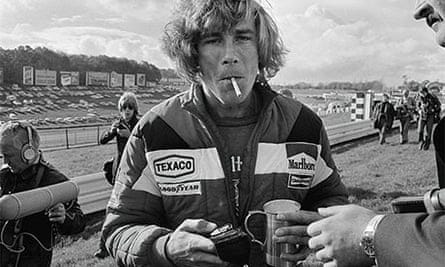
Fifty years ago, masculinity was about silence. About swallowing your feelings, staying tough, staying in control. Vulnerability was weakness. Emotion was dangerous. It was James Hunt lighting a cigarette after crashing at 200 mph, refusing help and laughing it off. That archetype shaped Formula 1 for decades. The sport was as much about testosterone-fueled bravado as it was about skill and speed. Drivers were heroes of sheer grit, their masculinity expressed through risk-taking, silence, and a kind of cold, mechanical toughness. They were gladiators in racing suits, masters of an unforgiving machine, never showing cracks in the armour. The culture around F1 celebrated this—media, fans, and teams alike reinforced the image of the untouchable alpha male who dominated not only the track but the room.
But that image is shifting — fast. Today, the old archetype doesn’t hold up. Not on the track, and certainly not off it.
The men and women leading in F1 now embody a far more complex, nuanced masculinity. It’s still sharp and confident, and ambition still burns bright. But alongside that is a new emotional intelligence, a willingness to be open, collaborative, and self-aware. They listen as much as they speak. They talk about pressure, mental health, and teamwork in ways that would have been unthinkable decades ago.
This evolution reflects not only the changing times but also the increasing demands of the sport itself. F1 today is as much a mental marathon as a physical one. Drivers and leaders recognise that vulnerability isn’t weakness—it’s strength.
1. From Control to Emotional Regulation
In the past, “staying in control” meant suppressing emotion — never flinching, never cracking, never confessing fear. But in today’s F1, control looks different. It’s about emotional regulation — being able to acknowledge pressure, channel stress, and make decisions under extraordinary mental strain without self-destructing. Early in his career, Lando Norris revealed that he struggled with anxiety and self-doubt and praised McLaren for encouraging access to sports psychologists.
“I didn’t know how much I was struggling until I started talking about it.”
2. From Individualism to Interdependence
The lone-wolf driver archetype still makes for good cinema, but in real life, F1 is more interdependent than ever. Success depends on trusting your team, communicating clearly, and recognising that no win happens in isolation. The new masculine code values partnership over bravado, and collaboration over control. You see it in how leaders like Zak Brown build culture, and in how drivers give credit to engineers, strategists, and analysts — not just themselves. Lewis Hamilton exemplifies this shift — constantly crediting his team, from race engineers to factory staff, and championing emotional openness and collective success. In contrast, Michael Schumacher, while a master tactician, operated within a more hierarchical, lone-genius model — Ferrari was often structured around him, with teamwork focused on enabling his singular drive to win.
3. From Invincibility to Transparency
The old masculine ideal prized invincibility — the guy who “never gets tired,” “never complains,” “just pushes through.” But that’s shifting. Today’s most respected figures are often the ones who are transparent — about their limits, their mindset, their evolution. That doesn’t make them less heroic. It makes them more human. And in an era hungry for authenticity, that’s magnetic.
4. From Dominance to Presence
Where once leadership meant dominating a room or intimidating your rivals, now it’s increasingly about presence — the quiet strength of being fully tuned in. Suzie Wolff doesn’t need to raise her voice to command attention. Oscar Piastri doesn’t need to posture to be taken seriously. The new code prizes clarity over noise, and groundedness over swagger.
Of all the figures I encountered, I’ve honestly been a bit in love with Oscar Piastri — and not just because of his undeniable talent behind the wheel.
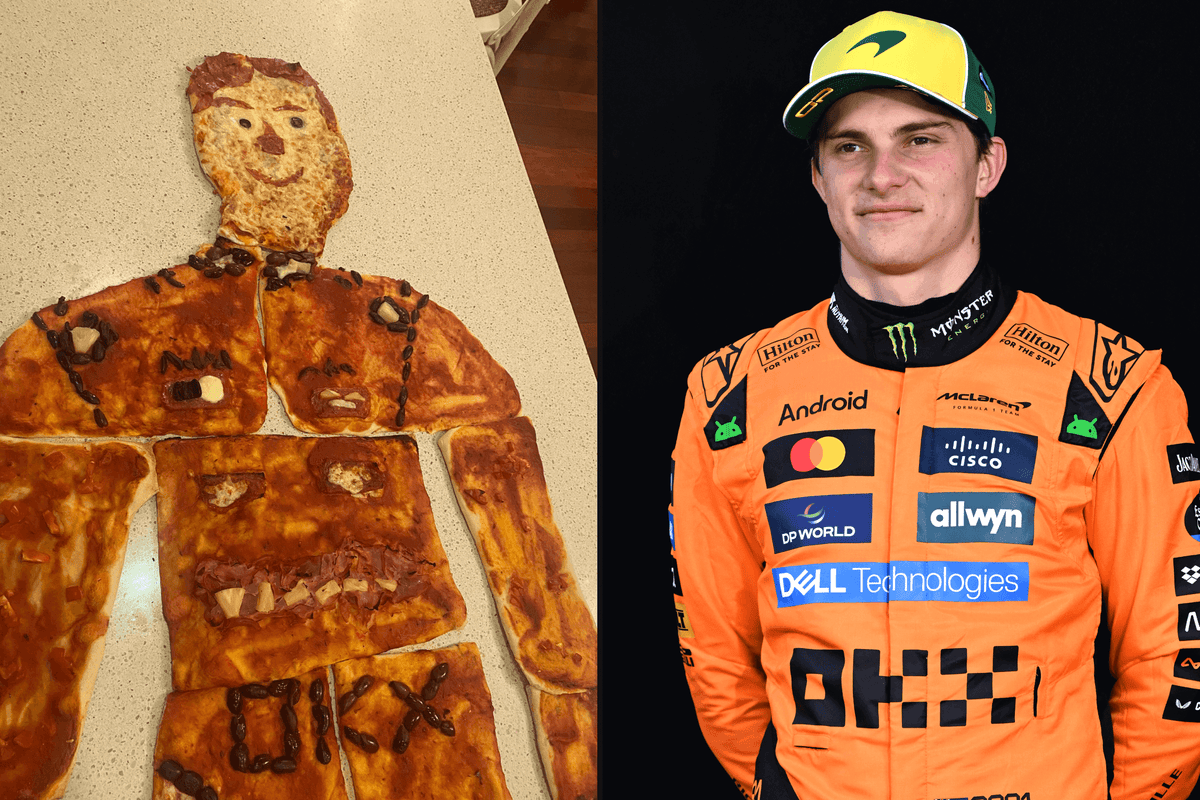
To me, Oscar represents the perfect example of how masculinity is being redefined in Formula 1 today. The world truly needs more role models like him.
[Sky Sports] Interviewer: “Do you think you're ruthless enough to win the world championship?” Oscar Piastri: "Yes, I think so. Just because I’m calm doesn’t mean that I’m not ruthless.... but that doesn't have to come at the expense of being a calm and nice person as well"
This shift in masculinity isn’t just something I noticed on the track or in passing conversations — it’s something I’ve been thinking a lot about in the context of our work as marketers. So much of today’s marketing communications, narratives, and overall storytelling rests on the shoulders of athletes and creators. They’re not just endorsing products anymore; they’re shaping culture, values, and brand narratives. And if the people we’re partnering with are showing up with a more emotionally intelligent, self-aware masculinity, then our storytelling needs to reflect that too.
When you look at someone like Oscar — or even creators in the lifestyle, fashion, or gaming space — you see a different energy: calm, grounded, collaborative. The kind of presence that draws you in, not because it’s loud, but because it’s honest.
And that’s where the tension lies. When brands lean on talent like Oscar, but then still try to box them into outdated archetypes, creating a jarring disconnect. The message doesn’t land, because the messenger has evolved — and the brand hasn’t. But when there’s alignment — when the storytelling makes space for nuance, presence, and emotional range — that’s when it really hits. That’s when it feels human.
Maybe the job now isn’t to make men look tougher, cooler, or more “alpha.” Maybe it’s to show them more fully. Because that’s where culture is already going. And if we want to keep building brands that are relevant, resonant, and real — we have to get comfortable with rewriting the script.
✨Things I’m liking lately…
📖 A practical guide for the event industry on accommodating invisible disabilities — smart, inclusive, and much needed
🎾 The Women’s Tennis Association’s groundbreaking new policy protecting rankings for players undergoing fertility treatments — a huge step for women’s sport flexibility and support
📌 Pinterest’s groundbreaking sponsorship deal with the New York Liberty, showing how Pinterest is smartly meeting consumers where they are.
🌍 Matthew Campelli’s “Sustainability Huddle” newsletter highlights how athlete-investors like Nico Rosberg, Dominic Thiem, Serena Williams, and Lewis Hamilton are moving the needle on climate by backing renewable tech and sustainable solutions with capital — a powerful shift beyond advocacy.
🏎️ Why Circuit de Barcelona-Catalunya is the world’s most sustainable motorsport circuit
🍫This Formula E x MrBeast’s ethical snacking company partnership, Feastables, is giving all the vibes